


Natural Soap: Sage Mist
$4.10 - $11.95
- Out Of Stock
- Travel Size Bar 1.7 oz is Out Of Stock


Patience transforms natural soap into something extraordinary — a bar enriched by time, with enhanced silkiness, luxurious creaminess, and exceptional gentleness.
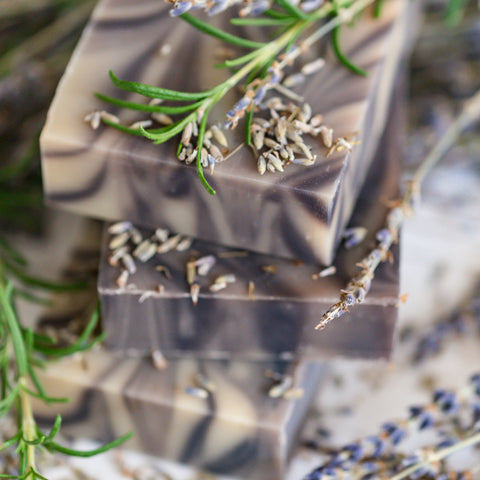
This Sage Mist soap bar, aged for 24 months, is a moisturizing, natural body and complexion soap made with nourishing plant oils and enriched with soothing coconut milk and nourishing shea butter. The beautifully balanced essential oil blend, reminiscent of a fresh, cool spring morning, helps revitalize a fatigued mind and body.


Beyond Perfect: The Aged Soap Collection
After 25 years of soapmaking, we have learned that some soap bars, already wonderful after our traditional 8–12 week cure, can become even more exceptional when given extra time to mature.
As the months pass, a quiet transformation unfolds, a delicate nuance that only patience can create. Aged soaps take on an even silkier feel with a velvety texture, their already rich lather becomes luxuriously creamy, and they caress the skin with added gentleness.
Our regular cured soaps are expertly crafted to deliver outstanding quality, gentle care, and rich lather. Aged soaps simply offer a unique, elevated experience—a celebration of time’s subtle magic.
To learn more, please read "Aged Soap: When Patience Meets Perfection"
Good For All Skin Types
A delightful body and face soap infused with an essential oil blend that combines the earthy, warm aromatic notes of sage and clary sage, the sweet and soothing floral scents of lavender and ylang ylang, the invigorating aromas of myrtle, peppermint, and eucalyptus, and then a hint of spicy fennel. Together, these oils create a harmonious blend evoking the freshness of a spring morning, which may help uplift and relax the mind and body.
This dreamy, creamy natural soap is made with nourishing plant oils and enriched with shea butter and coconut milk.
Rich and creamy unrefined Shea Butter, known for its moisturizing properties, is a delight for the skin! It nourishes and hydrates, soothes and calms dryness, enhances skin's natural radiance, and leaves skin feeling velvety smooth with well-moisturized skin appearance.
Sunflower Seed Oil, rich in nutrients, is a highly moisturizing vegetable oil. It may help soothe and calm dry, sensitive skin, while also supporting the skin's natural moisture barrier to keep it soft, supple, and hydrated.
Coconut milk, rich in fat, does more than simply moisturize. Its soothing properties may help comfort sensitive skin and alleviate dryness and discomfort associated with irritated skin, leaving skin feeling soft and supple. In soap, it creates a silky, rich, and creamy lather.
 The purpose of soap is to combine with oil and dirt on the body, which allows water to wash it away. The method you use to cleanse your skin is really a personal preference. We thought we would share just a few examples.
Bar Bathers rub the bar directly on their skin to create a creamy lather. Massaging the velvety lather into your skin before rinsing allows you to experience the best moisturizing properties of the soap. This is definitely the best way to use exfoliating soaps.
Hand Latherers create lather in their clean hands and use the lather to massage and wash the skin. This gentle, mild cleansing method may be good for those with sensitive skin.
 Washcloth Washers use a washcloth to lather up. Washcloths are made out of lots of different textile textures, from soft cotton to agave fibers, and can provide very gentle to intense exfoliation. Be sure washcloths are laundered and dried often.
Puff Polishers use a mesh puff that works up a foamy, bubbly lather, even with hard water, to wash and gently exfoliate the skin. Poofs make natural soap last longer but can harbor bacteria, so rinse thoroughly after use and replace every few weeks or clean per manufacturer's instructions.
Loofah Latherers love their loofahs that exfoliate and help increase circulation. Whole loofahs can be breeding grounds for bacteria, so be sure they dry out properly after use and replace them every two months. If you would like something less abrasive, check out our Bath & Body Accessories.
Soap Sackers place their soap into a nylon soap bag. The fibers have a smooth texture for gentle cleansing. Soap sacks can be used for whole bars of soap or scraps that would normally be thrown away.
There is a large variety of bathing accessories available. If using any accessory, never share them with others and replace or clean them often.


The goal is simple: to Harness the Power & Simplicity of Nature® to cleanse, soothe, heal, and protect your skin and hair!
Our unique formulas rely on moisturizing oils and butters, healing botanicals, and pure essential oils. We choose every ingredient with one end-result in mind….the BEST possible natural skin care for YOU!
 Organic Sage Essential Oil
 Organic Clary Sage Essential Oil
 Organic Coconut Milk
*Ingredient is Fair Trade Certified ^Used in the saponification process to turn oil into soap and glycerin. None remains in the finished product.
Made with certified organic Flaxseed Oil, Shea Butter & Coconut Milk
|
At Chagrin Valley, every bar of natural soap is already something special, lovingly crafted, naturally rich in skin-nourishing glycerin, and cured for 8–12 weeks to reach its perfect balance of hardness, creaminess, and mildness. That’s the bar you know and love.
But a few times a year, we tuck away certain batches and let them rest even longer, sometimes a full year or more. With time, something subtle and magical happens: the lather turns silkier, the texture smoother, and the feel on your skin even more luxurious. These are not “better” than our regular bars, just a rare expression of what patience and nature can create together.
Before we dive into why aged soap is such a treat, let’s take a quick trip into the science of soapmaking.
Saponification is the chemical reaction that transforms fats (acids) and sodium hydroxide (a base) into a salt we know as soap.

This transformation happens quickly. Within 48 hours, the process is 96–99% complete. At that point, the soap is technically safe to touch and could be used. However, the quality of this young soap will be quite disappointing. It may feel harsh on the skin, produce minimal lather, be very soft, and have a shorter lifespan.
That’s why the process of curing is so important.
The curing time for each recipe of cold-process soap is different. While some believe curing is just a time for water evaporation, it is a complex maturation process.
During curing, the last of the saponification reaction quietly wraps up. Water slowly evaporates, concentrating the naturally occurring glycerin, which makes the lather milder and gentler, especially for sensitive skin. The bar also hardens, creating a creamier lather and a longer-lasting soap.
While many soapmakers cure soap bars for 4–5 weeks, we have never been satisfied with that. At Chagrin Valley, our soaps cure for 8 to 12 weeks, depending on the formula. This slower approach yields a milder, longer-lasting bar with a luxurious lather worth the wait.
📘 Learn More Blog: How Do Natural Soap Bars Create Lather?
At its core, a bar of soap is a salt with a stable structure — a crystalline solid composed of a mixture of fatty acid salts, glycerin, and water. As it cures, the fatty acid salts rearrange into a more tightly packed crystalline structure. This change improves hardness, lather, and mildness.
We cannot see this crystalline shift with the naked eye, so opinions vary on how long the whole process takes to complete.
But after 25 years of soapmaking, we have learned that many bars continue to improve long after the standard cure time.
Even after most of the water has evaporated, something subtle and wonderful continues:
As soap continues to rest, it loses more weight due to water loss. Although the absolute amount of glycerin in a bar of soap remains the same, the percentage of glycerin increases.
This is because the glycerin does not evaporate alongside the water, making it a larger proportion of the remaining soap mass. We believe this may help explain why aged soap feels so incredibly mild (though more research is still needed).

Extended aging is a quiet transformation that coaxes out subtle changes in texture, lather, and feel.
We love aged natural soap so much that we have always set aside a few bars from each batch just for ourselves, letting them cure for 12 to 24 months.
Over that time, they shrink a bit more and their colors and scents soften and fade, but what remains is a soap that feels like a small luxury in the palm of your hand. A natural soap bar enriched by time, with unmatched silkiness, creaminess, and gentleness.
Our regular 8 to 12-week cured soaps are expertly crafted to deliver outstanding quality, gentle care, and rich lather. The aged soaps offer a different, delicate nuance, a celebration of time’s subtle magic, but both are made with the same commitment to purity, skin health, and sustainability that defines every bar we create.
Now, for the first time, we are sharing these aged treasures with you. They require patience and time to create, but the moment you lather up, you will understand why we love them.
Want to see how it all comes together?
Check out our blog: How We Make Natural Soap At Chagrin Valley
If you think about it, your skin type is not even the same for all of the areas of your body.
The skin on your face is different from the skin on your hands, which is different from the skin on your back which is different from the skin on your feet ...etc.
Although your skin type is determined by genetics, it will also be affected by other factors and can change with time.
Understanding your skin type is a good starting point before trying or switching to natural products.
There are typically five types of healthy skin: normal, dry, oily, combination, and sensitive.
NORMAL SKIN
This skin is balanced, neither too dry nor too oily. It has regular texture, no imperfections and a clean, soft appearance, and does not need special care.
OILY SKIN
Oily skin is the result of excessive secretions of sebum, an oily secretion of the sebaceous glands. Oily skin tends to attract more dirt and dust than dry skin and may be prone to blackheads, acne, and excessive shine. It is frequent in adolescents and often seen with acne or blemish-prone skin.
DRY SKIN
For some people dry skin is caused by external factors such as the weather, low air humidity, sun, or hot showers, and it is often temporary.
However, for others it may be a lifelong condition. Dry skin is a result of a decrease in natural oil production which often results in skin that is flaky and has a rough appearance. Dry, cracked skin is often prone to skin disorders, such as eczema.
 SENSITIVE SKIN
Truly sensitive skin easily reacts to external stimuli. The skin is often fragile, thin or fine-textured, dry, and prone to allergic reactions.
Sensitive skin often feels uncomfortable, tight, red or itchy. It is a delicate skin that needs a lot of TLC.
COMBINATION SKIN
Combination skin is just what is sounds like, it has characteristics of both dry and oily skin. The area with more oil is usually the T- zone (forehead, nose, and chin), while the skin on the cheeks is normal or dry.
For more information on skin type and help with product recommendations for your individual needs, please read our blog, What's Your Skin Type?
People choose Chagrin Valley Soap for many reasons, but they all begin with one simple belief: a soap can only be as good as the ingredients, knowledge, and care that go into creating it.
Here are twelve reasons our customers choose our handmade natural soap:
Every bar is made through the traditional process of saponification using organic plant oils and butters—not synthetic detergents.
We use certified organic plant oils, botanicals, clays, herbs, and pure essential oils chosen for their unique benefits.
No synthetic detergents, artificial fragrances, artificial colors, filler ingredients, or unnecessary additives.
High-quality oils, generous superfatting, and naturally retained glycerin help create a mild, conditioning bar.
Every scent begins with a real plant—not a synthetic fragrance oil.
At Chagrin Valley, we scent our soaps only with pure botanical essential oils. Many of our recipes also include aromatic herbs, spices, flowers, and other plant ingredients that contribute their own subtle, authentic aromas.
We believe the scent of a soap should reflect the integrity of the ingredients that go into every bar.
Gentle cleansing and thoughtfully selected ingredients help respect your skin's natural balance.
 Our Soaps Create Rich, Creamy Lather Naturally
Beautiful lather comes from carefully balanced plant oils—not synthetic foam boosters.
An extraordinary bar of soap isn't made by accident. It begins with exceptional ingredients, expert formulation, and the patience to let every bar fully cure—creating a bar that does far more than simply cleanse your skin.
Organic ingredients, minimal packaging, and concentrated bar soap help reduce environmental impact.
Each bar is formulated to achieve a specific balance of cleansing, lather, conditioning, and skin feel.
Organic certification, ethical sourcing, cruelty-free practices, and sustainable choices reflect our commitment to doing things the right way.
You are supporting a family-owned business committed to craftsmanship, transparency, and educating customers about natural skincare.
We do it all ourselves--from start to finish--from our hands to your hands--from our family to yours! Thank you!
🌿Want to learn more? Read our complete guide: Why Use Natural Soap? 12 Reasons to Choose Chagrin Valley Soap.

Regular handwashing is one of the best ways to remove germs, avoid getting sick, and prevent the spread of germs to others.
The CDC (Centers for Disease Control and Prevention) says that for good hand hygiene all you need is plain soap and water.
Clean hands can stop germs from spreading from one person to another and throughout an entire community.
Five simple and effective steps can help reduce the spread of illness so you, your family, your friends and the general public can stay healthy.
CDC recommends cleaning hands in a specific way to avoid getting sick and spreading germs to others. The guidance for effective hand washing was developed based on data from a number of studies.
1. Wet your hands with clean, warm running water and apply soap.
2. Lather your hands by rubbing them together with the soap.
3. Scrub your hands for at least 20 seconds.
4. Rinse your hands well under clean, running water.
5. Dry your hands using a clean towel or air dry them.
To date, studies have shown that there is no added health benefit for consumers (this does not include professionals in the healthcare setting) using soaps containing antibacterial ingredients compared with using plain soap.
Information is taken from the CDC.gov website
Read our blog "Simple Soap Can Help Decrease the Spread Of Viruses"
 How long a natural soap bar will last depends on:
For one person showering every day, a well-drained bar should last for about one month.
Natural soaps are normally softer than commercial soaps because they retain their natural glycerin (which is removed in commercial soap production) and contain no artificial hardening chemicals, synthetic waxes or free alkali.
We also superfat our soaps (add extra oils or butters) and use "softer" oils so that Chagrin Valley natural soaps are more emollient and leave skin feeling moisturized.
Different oils impart different qualities to soap. Some add lathering qualities, some moisturizing, some hardness, and so on. Compared to other natural bars, we use a larger percentage of extra moisturizing and conditioning oils in our soaps and shampoo bars. These oils produce a bar that may not be as hard as bars with less conditioning oils.
How you use the bar will also affect its lifespan. For example, do you use a washcloth, an exfoliating accessory, or only the bar? Although exfoliating loofahs and sponges are great they will use up the soap much faster than a washcloth or the "only the bar" purists.
Our Natural Soap Will Last A Long Time With Proper Care
Cute Story: A customer called to say she loved our soaps but could not buy them anymore because they did not last as long as other soaps. A week later she called to place an order and apologize. Her husband, who would NEVER use her natural soaps before, fell in love with her new Juniper soap . . . and he showered twice a day!
To maximize the life of your soap, keep it in a well-drained soap dish so it can dry between uses.
We sell a handcrafted solid white oak soap dish. The deep ridges are perfect for keeping your all natural handcrafted soap dry between uses. White Oak is the wood used in shipbuilding.
A tip passed on by one of our customers whose kids always leave the soap in a water puddle: cut the large bars in halves. Then alternate the halves, allowing a longer drying time between uses.
We often receive emails from concerned customers that have read about the devastating effects that palm plantations can have on tropical forests.
At Chagrin Valley Soap we treasure our planet and its inhabitants. We know that although we play a very small part, we must always make choices that are ecologically and socially responsible.
As the global demand for palm oil continues to increase we want to be part of the global initiative that changes how that palm oil is grown.
Our Palm Oil is grown and manufactured according to standards for sustainable practices set forth by Palm Done Right.
Certified sustainable by RSPO (The Roundtable on Sustainable Palm Oil) and Palm Done Right

Our USDA organic palm oil variety carries RSPO Certification, otherwise known as Roundtable on Sustainable Palm Oil, guaranteeing the sustainability and traceability of the palm oil production throughout the supply chain.
It has RSPO-IP (Identity Preserved) certification which is one of four certification levels offered by the RSPO and carries the highest and strongest level of sustainable guarantee with traceability of each lot of palm oil back to the field of origin. With Identify Preserved sustainable palm oil, the entire batch of palm oil is from a single identifiable certified source and kept separate from all non-certified batches.

Palm Done Right presents the first fully integrated, 100 percent organic supply chain in the palm oil industry. Palm Done Right requires a fair labor certification, organic certification, Non-GMO Project Verification, and has the highest level of certification — Identity Preserved — offered by the Roundtable for Sustainable Palm Oil (RSPO).
As the global demand for palm oil continues to increase, we believe that if both manufacturers and consumers demand Certified Sustainable palm oil, producers will grow Certified Sustainable palm oil. That is the only way to really protect our rainforests.
If there is no demand for sustainable palm oil, growers will continue their cheaper unsustainable practices, because no one is paying them for a sustainable product. (If you build it, they will come!)
Please read our blog, "Will A Palm Oil Boycott Really Help?"
We sometimes receive emails that go like this:
The good news is that when you purchase natural soap from an organic skincare company, it is scented with only pure essential oils.
The bad news is that when you purchase natural soap from an organic skincare company, it is scented with only pure essential oil.
The scent of an essential in any totally natural product can and will change over time and from batch to batch.
Essential oils come from nature. The quality and scent of essential oils are affected by yearly weather conditions and varies from crop to crop and region to region.
This makes it very difficult to produce finished products in which the scents are always exactly the same.
Most commercial soaps (and skincare products), even some of the "natural" ones that contain some essential oils, are made with at least some synthetic fragrances oils, nature identical oil, or natural fragrance oil. Using any synthetic fragrance ensures a more consistent scent.
Essential oils are temperamental to work under any circumstance. But while a natural essential oil scent blend may change a bit in a cream or oil, these blends are especially unpredictable when making cold processed natural soap.
After all my years of soap making in never ceases to amaze me just how much the actual soap making process changes the scent of an essential oil blend.

Natural Soap and Essential Oils
Why We Use Only Real Plant Essential Oils?
Natural Fragrance Oil? . . . Really?
Why Are Synthetic Fragrance Oils So Popular?


Saying a soap is “handmade” says nothing about the quality of the ingredients or the knowledge and skill of the soapmaker. At Chagrin Valley, every bar tells a different story—one rooted in organic ingredients, time-honored techniques, and a deep respect for the skin and planet.
Read Post
Choosing the right natural soap can feel overwhelming because every person’s skin is different. This guide offers simple, practical recommendations to help you explore soaps suited for dry, oily, sensitive, combination, or exfoliation needs so you can discover the bar your skin enjoys most.
Read Post
Is there lye in natural soap — and is it safe? This article explains the chemistry of saponification, why sodium hydroxide is essential to making real soap, and why no lye remains in a properly formulated bar. Learn how science, not myth, shapes traditional cold-process soapmaking.
Read Post